Location: Zoom
What makes a financial future feel possible? What makes it materially reachable?
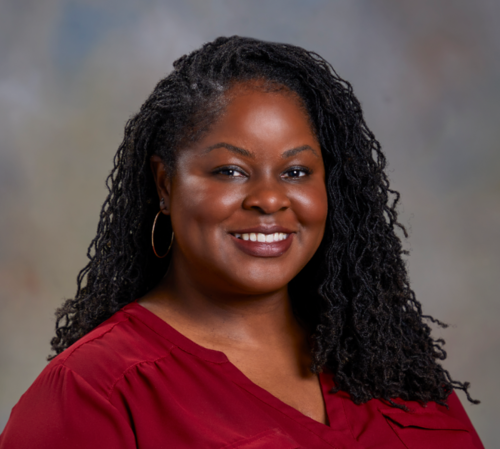
Drawing from narrative research with first-generation students who completed college without student debt, Dr. Candace Marie Henry explores the people, practices, programs, and resources that supported their educational journeys. Their stories reveal that completing college without borrowing was not simply the result of individual financial knowledge or “good choices.” Their pathways were shaped by family guidance, community care, spirituality, employment, scholarships, institutional resources, and creative financial strategies, as well as by historical inequities and policies that influence who can access and afford higher education. Situated in the work as both a researcher and financial educator, Dr. Henry considers not only what helped these students to succeed, but also what their success required. Some strategies opened opportunities while simultaneously limiting college choices, increasing work and caregiving responsibilities, or transferring financial and emotional costs to them and their families. She introduces the endarkened financial socialization (EFS) framework as a tool for understanding financial socialization as an ongoing developmental process. EFS centers Black women as producers of financial knowledge and situates their financial practices within relationships, culture, spirituality, history, structural constraints, and collective care. Through reflection and participatory activities, attendees will consider how college access initiatives, financial education, advising, mentoring, and youth-development programs can move beyond teaching young people to make “responsible choices” and begin creating the material conditions, supportive relationships, and resources needed to make more expansive financial futures attainable.
Dr. Candace Marie Henry is an assistant professor of higher education and student affairs at the University of South Florida. Her scholarship examines how financial aid policies, student debt, and institutional practices impact access, persistence, and outcomes for first-generation, limited-income, and marginalized students. As a financial educator, arts-based researcher, and student success scholar–practitioner, she develops culturally responsive, equity-driven approaches to financial wellness, retention, persistence, and graduation of college students. Dr. Henry’s work is supported by multiple grants, including the Paul P. Fidler Research Grant and the Pinellas County Partnership in Research and Creative Scholarship Grant, and is a fellow in the NASPA Emerging Faculty Leaders Academy. She also engages in community-based and creative projects that translate research into practice and performance. Dr. Henry holds a B.A. in Music (Vocal Performance), an M.Ed. in Counselor Education (Student Services in Higher Education), and a Ph.D. in Curriculum and Instruction (Higher Education Administration).