Karen Weaver, an expert on college sports in higher education, argues that perhaps the disruption of 2020 is the perfect time for faculty to reengage with college athletics.
Penn GSE’s new Board of Overseers Chair, Doug Korn, W’84, and his predecessor, David Roberts, W’84, support Dean Grossman’s vision and the School’s work creating opportunity through education.
Throughout a successful transition to remote learning, Penn GSE’s Chief Learning Officer program has focused on building community among leaders of workplace learning.
The largest fundraising campaign in Penn GSE’s history, Extraordinary Impact supports faculty, staff, and students as they create opportunity through education.
A nationally sought expert on racial stress and racial trauma, Penn GSE’s Dr. Howard Stevenson discusses the national landscape and how racial literacy can help create a better future.
Penn Alumni Weekend and Penn GSE Commencement went virtual for 2020, keeping the University and School communities connected from afar amidst the COVID-19 pandemic.
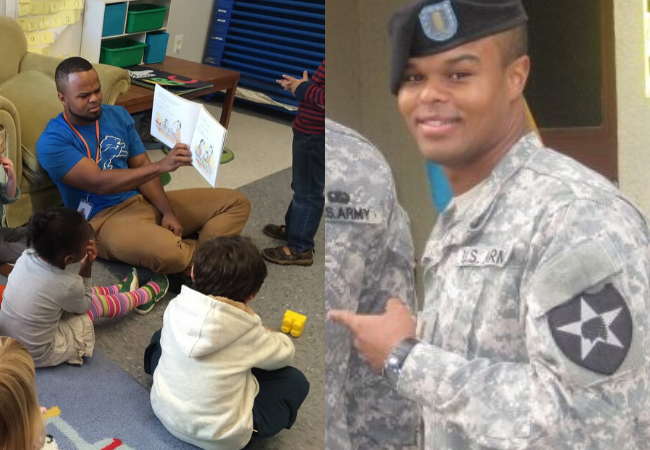
The role of educators and leaders worldwide is more important than ever in today’s landscape. Four Penn GSE alumni share the challenges they have faced as while charting a promising path forward.
Sigal Ben-Porath participated as part of a panel discussion, along with Greg Lukianoff and Dr. Jacqueline Pfeffer Merrill, about the current state of free expression on college campuses.
Nelson Flores said shifts in language often start with a small group of marginalized people, rather than with majority rule. “I think the relevant question for me isn’t whether people should be using the term. It’s how people who use the term Latinx are trying to differentiate themselves from people who use the term Hispanic and people who use the term Latino,” he said. “Why do they feel like those terms don’t really reflect the political identities they’re trying to articulate through the term Latinx?”
Richard Ingersoll explained how it was decided that women would teach in public schools 150 years ago. “The argument was, ‘Look, women will learn to be better mothers by practicing on other people’s children,’” he said. “Proponents made the case it was a win-win.”
Rebecca Maynard and Brooks Bowden will lead a $4.6 million training program for doctoral fellows from across the University of Pennsylvania pursuing data-driven education research.
Richard Ingersoll said it’s too early to know if the pandemic will worsen teacher shortages. “Traditionally, employees in general across industries and occupations quit at higher rates in good economic times and at lower rates in bad economic times," he said. "The reason is simple—even if someone dislikes their job, they are loath to quit if there is financial uncertainty, or if there are not other jobs available.”
Jonathan Supovotiz and John D'Auria have ideas to help leaders collaborate within their districts, schools, and teams to address questions of equity, access, technology, pedagogy, and social-emotional support.
“Even if you don’t like your job, if there aren’t other options out there, you’re going to be loath to leave. There aren’t a lot of options out there,” said Richard Ingersoll.
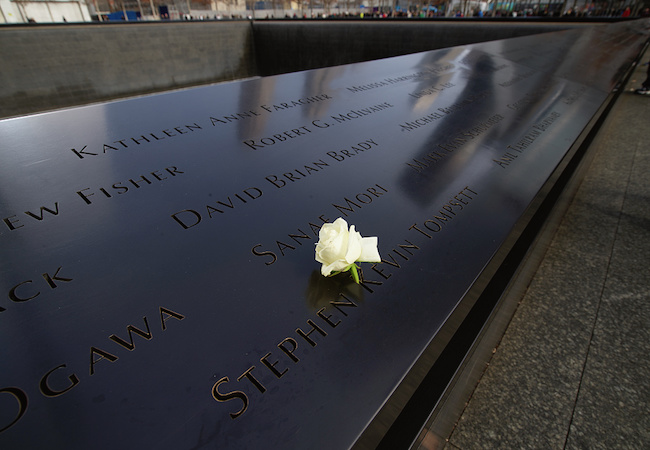
Ameena Ghaffar-Kucher and Deepa Iyer argue that 9/11 curricula should include lessons on the Global War on Terror, Islamophobia and anti-Muslim racism, and community building.
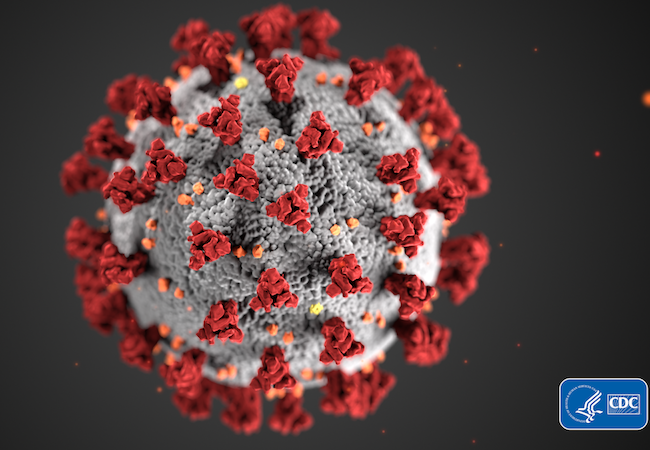
Yasmin Kafai is piloting a middle school curriculum on epidemics that will debut with a virtual epidemic being launched in the online community Whyville.
Howard Stevenson and Frances Jensen spoke about how young people view the threat of COVID-19 and the effects of police violence on their mental health.
Steve Piltch said private school enrollment has declined during the last decade. “Whatever the classes were there to begin with, they were smaller than most of the public schools are,” he said.
“The more we consider this new reality and the new rules it brings into our curriculum and pedagogy, the more grounded, humanizing, and transformational our teaching and courses will become,” Ravitch said.
As podcasts increasingly address current events from racial justice to the pandemic’s effect on education, Penn GSE faculty, students, and alumni are weighing in.
Alan Ruby commented on India’s plans to overhaul its higher education system. “The big story is the commitment to growing the total size of the sector by adding 35 million places, effectively doubling the current infrastructure,” he said.
Nkemka Anyiwo, a postdoctoral fellow at Penn GSE’s Racial Empowerment Collaborative, recently told CNN the longtime use of lowercasing the word can ‘operate as an implicit form of racial messaging.’
Considered one of the foremost education historians today, Zimmerman has been listed among Education Week’s annual Top 100 "Edu-Scholars" who influence public discussion in the USA for the past decade.
Jonathan Zimmerman advocated for a program that would enlist college students and other young adults to support school-aged children with online learning and extracurricular activities in exchange for a small stipend during the pandemic.
Ryan Baker led a team that analyzed the results of a survey about the challenges of remote learning. “School districts’ IT were never prepared for this to happen,” Baker said.
Howard Stevenson said Black students often are denied a sense of belonging in private school environments. When combined with experiences of racism, this can affect these students’ long-term mental health.
Ed Brockenbrough said Pride organizers’ efforts to promote the Black Lives Matter movement don’t go far enough to address racism in the LGBTQ community. "Activism in Black and brown queer communities has been happening for a long time without full buy-in from white gatekeepers of queer resources," he said.
Peter Eckel said the pandemic has given colleges a chance to reevaluate their summer offerings and other scheduling matters. “The pandemic has raised a lot of questions about long-held traditions about how to deliver higher education,” he said. “The academic calendar is one of them.”
Sharon Ravitch joined a filmmaker and a pediatrician as guest speakers on the Reinventing School podcast in which they explored the many aspects of hope in the midst of challenging times.