Nelson Flores said shifts in language often start with a small group of marginalized people, rather than with majority rule. “I think the relevant question for me isn’t whether people should be using the term. It’s how people who use the term Latinx are trying to differentiate themselves from people who use the term Hispanic and people who use the term Latino,” he said. “Why do they feel like those terms don’t really reflect the political identities they’re trying to articulate through the term Latinx?”
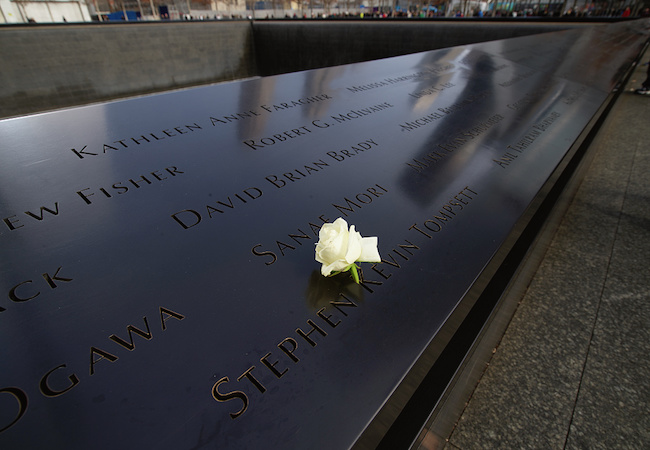
Ameena Ghaffar-Kucher and Deepa Iyer argue that 9/11 curricula should include lessons on the Global War on Terror, Islamophobia and anti-Muslim racism, and community building.
Considered one of the foremost education historians today, Zimmerman has been listed among Education Week’s annual Top 100 "Edu-Scholars" who influence public discussion in the USA for the past decade.
When Ebola hit Liberia, Penn GSE student Jasmine Blanks Jones’ youth theater company took on conspiracy theories and a lack of trust in the government. If that sounds familiar, she has ideas for improving messaging during the pandemic.
Betsy Rymes discusses “citizen sociolinguistics,” an innovation in which online data are extensively used as evidence of how language and language usage are being understood and made meaningful socially.
Strong said African students are “learning what it means to be a citizen, developing political identities, and learning the extent to which their governments and societies will support them.”
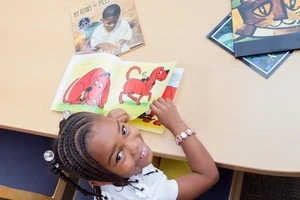
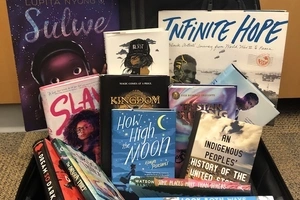
Ebony Elizabeth Thomas, expert in children’s literature, releases her 5th annual list filled with stories of perseverance, love, loss, and self-discovery that children and young adults can relate to, escape into, and cherish.